Between big Christmas meals, buffets and busy service, a lot of good food risks going in the bin. A food dehydrator is one of the most powerful tools you can use to reduce food waste, save money and create value-added products from leftovers.
In this guide, we’ll show you how to turn:
Leftover christmas vegetables into stock powders and soup bases
Extra herbs and aromatics into seasoning blends
Surplus fruit into snacks, toppers and mix-ins
1. Turn leftover vegetables into instant stock mix
Instead of throwing away cooked vegetables after a big feast or service, you can turn them into a flavour-packed stock powder.
What works well
Carrot
Celery
Onion & leek
Mushroom
Parsnip
Pumpkin or sweet potato
Basic method
Spread leftover cooked vegetables in a thin, even layer on dehydrator trays
Dehydrate until completely dry and brittle – no moisture remaining
Cool, then blend into a fine powder
Store in airtight jars or pouches, labelled with date and usage
Fruit platters and dessert tables often leave behind uneaten fruitthat’s still perfectly good.
Great options to dehydrate
Grapes, strawberries and blueberries
Apples, pears and stone fruit
Pineapple, mango and kiwi
Citrus slices (for garnishes and teas)
Basic method for fruit Garnish
Slice fruit to a consistent thickness
Arrange in a single layer on dehydrator trays
Dehydrate until leathery or crisp (depending on desired texture)
Store in airtight containers once fully cool
Use your dehydrated fruit as:
Lunchbox snacks
Cereal, muesli and yoghurt toppers
Baking add-ins and trail mix
Cocktail and mocktail garnishes
Basic method for Fruit Leather
Got leftover Christmas fruit? Turn it into fun, no-waste fruit leather!
IngredientsMethod
Prep the fruit Remove any stems, stones and cores. Roughly chop fruit into blender-friendly pieces.
Blend to a smooth puree Add fruit and lemon juice to a blender and blend until completely smooth. Add a splash of water or juice only if needed to get a pourable, applesauce-like consistency.
Sweeten and spice (optional) Taste the puree. If it needs a little sweetness, blend in honey/maple syrup.
Spread on dehydrator trays Line your dehydrator trays with silicon mats. Pour the puree on and spread to about 3 mm / ⅛ inch thick in an even layer.
Dehydrate Dry at 55–60°C / 130–140°F for 6–10 hours, or until the leather is dry to the touch, no longer sticky, and peels away cleanly from the liner. Drying time will vary depending on how juicy your fruit is and how thickly it’s spread.
Cool, cut & roll Let the leather cool completely, peel it off the liner, then cut into strips and roll up.
Store rolls in an airtight container or jar. Keep in a cool, dark place or the fridge for longer shelf life.
Great Leftover Christmas Fruit Combos
Mango, pineapple & a squeeze of lime
Strawberry, cherry & vanilla
Peach, nectarine & a pinch of cinnamon
Mixed berries & leftover pavlova fruit (add a dash of lemon juice)
Apple, pear & a splash of orange juice
Recipe Link For a more detailed, structured guide, you can refer to our Dehydrated Fruit Leather recipe here: You can simply swap in your leftover Christmas fruit follow the same method and drying times - just focus on getting an Applesauce Consitency!
Dehydrated mixed fruit made from leftover Christmas platters after a mix in the Blender
4. Holiday tip: Let leftovers live on in your Home Kitchen
Instead of scraping plates into the bin or overfilling the fridge, build a “dehydrator habit” after big meals or services.
As you pack down:
Put leftover veg on one tray
Herbs and aromatics on another
Extra fruit on another
Start the dehydrator and walk away. By morning, you’ve turned potential waste into:
Stock powder
Seasoning blends
Shelf-stable snacks
Your dehydrator becomes a food waste reduction tool, not just a snack machine.
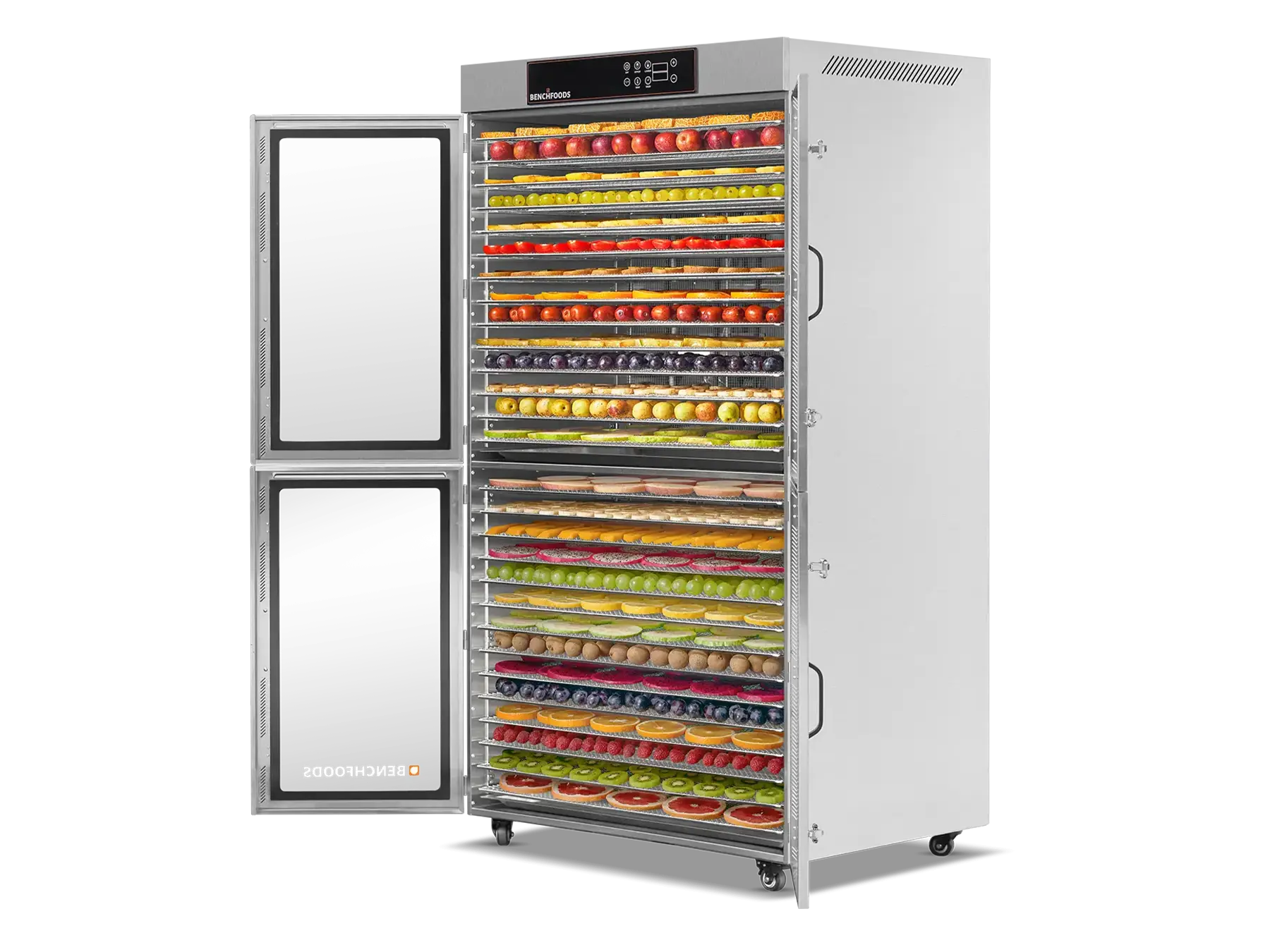
Turn food waste into opportunity with BenchFoods
From a home kitchen to a large-scale production space, a dehydrator helps you:
Reduce food waste
Save money on ingredients
Create new, usable products like stock powders, snacks and seasoning blends
If you’re ready to turn your leftovers and surplus into something you can actually use, explore the BenchFoods dehydrator range.
Kate spends her days doing life as a mother of two young boys, tending to chickens, and ducks, working on her organic vegi garden and developing organic recipes that she shares with her friends via Instagram.
Researching and documenting come naturally to Kate, as she has a flare for design and photography.


%20(1).jpg)
.png)


%2520(1).jpeg)


.svg)


